If your last few Botox treatments did not last as long, did not look as smooth, or barely moved your forehead at all, you may be one of a small but growing group of patients facing what dermatologists call secondary non-response — better known online as “Botox resistance” or Botox immunity. It is real, it is documented in the medical literature, and for some patients it can absolutely be reversed by switching to a pure German botulinum toxin — most often Xeomin® by Merz Pharma of Frankfurt, Germany.
This guide explains, from a board-certified dermatologist’s perspective, what botulinum toxin resistance actually is, why switching to a “naked” German formulation can help, and how to know whether you genuinely need a brand change or simply a better injector. Dr. Pang Skin Clinic in Bangkok injects Botox® (Allergan, USA), Dysport® (Ipsen, France), Xeomin® (Merz, Germany), and Nabota® (Daewoong, Korea), so we routinely guide patients through this exact decision.
What Is Botox Resistance, Really?
“Botox resistance” is a patient-friendly term for what specialists call secondary treatment failure due to neutralizing antibodies against botulinum toxin type A (BoNT/A). In plain language: your immune system has learned to recognize botulinum toxin as a foreign protein and is producing antibodies that attach to it before it can reach the nerve ending. The toxin is neutralized, the muscle is not relaxed, and your wrinkles do not soften the way they used to.
It is important to separate this from primary non-response (your very first treatment did not work — usually a dosing, dilution, or technique problem) and from simply “Botox wearing off too fast”, which can be caused by stress, intense exercise, very active facial muscles, or a poorly stored vial. True immunological resistance is rarer than social media suggests but is well-documented in peer-reviewed dermatology research.
How common is real Botox immunity?
Reported rates vary by indication, dose, and product:
- Cosmetic doses (low, infrequent): Neutralizing antibodies are detected in roughly 1–3% of long-term patients, according to multiple published reviews.
- Therapeutic doses (high, repeated — e.g., dystonia, spasticity): Rates can climb to 10–15% because much larger amounts of protein are injected each session.
- Risk increases with very frequent “touch-up” appointments (under 12 weeks apart), large doses per visit, and products containing complexing proteins in addition to the active toxin.
Why German Botox (Xeomin) Is Different
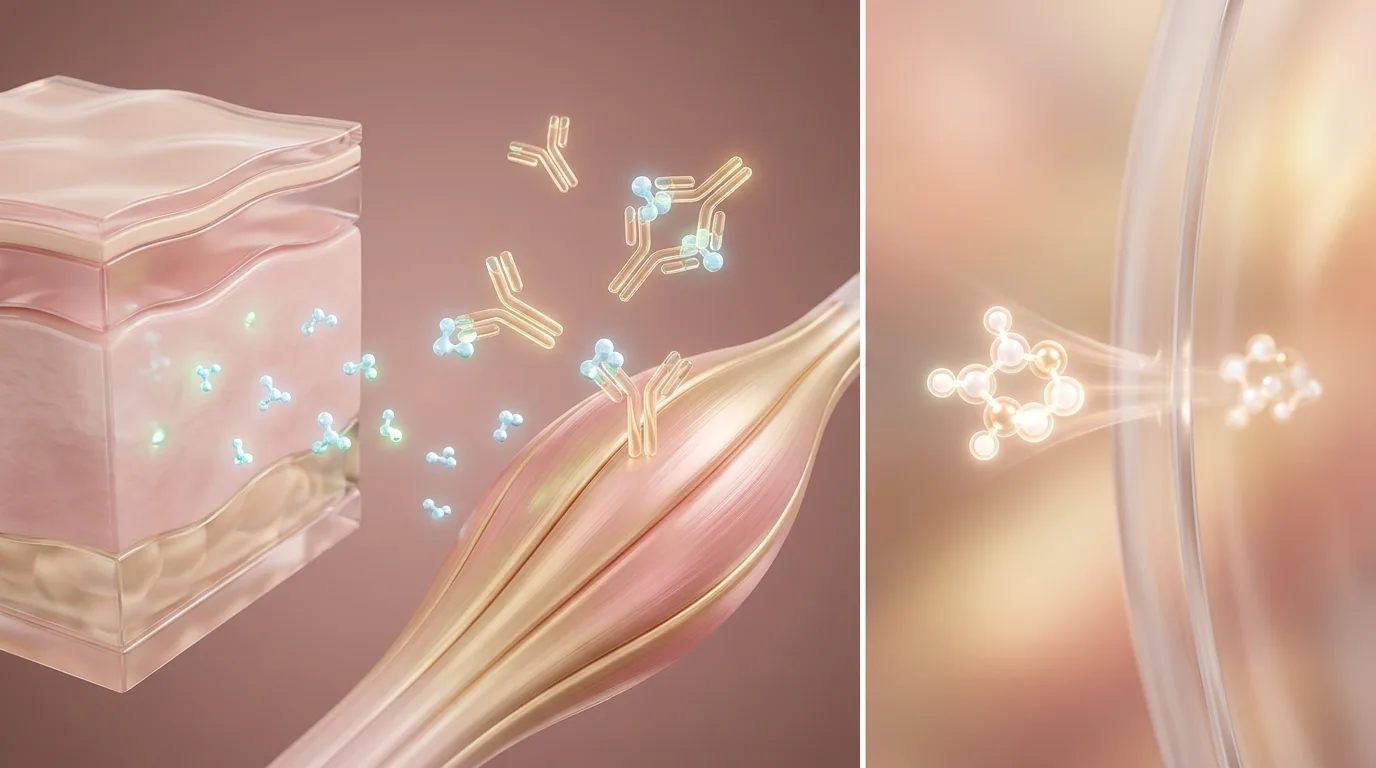
Not all botulinum toxin products are pharmacologically identical. The active molecule — the 150 kilodalton botulinum neurotoxin type A — is essentially the same. The difference is what surrounds it in the vial. Traditional Botox® (onabotulinumtoxinA) and Dysport® (abobotulinumtoxinA) carry the active neurotoxin packaged with accessory or “complexing” proteins (hemagglutinins and non-toxic non-hemagglutinin protein). These accessory proteins are believed to be one of the immune system’s primary triggers for producing neutralizing antibodies.
Xeomin® (incobotulinumtoxinA), manufactured in Germany by Merz Pharma, is produced using a patented process called XTRACT Technology that removes the complexing proteins. Only the pure 150 kDa neurotoxin remains — which is why Xeomin is often called the “naked” botulinum toxin. With less foreign protein delivered per treatment, the theoretical risk of your immune system mounting a response is lower, and patients who have already developed antibodies to a complexed product can often respond again to the pure formulation.
The clinical evidence behind switching
Several studies — including work by Frevert and Dressler — have shown that patients with confirmed antibody-mediated resistance to onabotulinumtoxinA or abobotulinumtoxinA can regain a clinical response when switched to incobotulinumtoxinA. The mechanism is straightforward: fewer accessory proteins enter the body, the immune system has fewer non-neurotoxin epitopes to react against, and over time circulating antibodies may decrease in concentration.
This does not mean Xeomin is “stronger” or that it lasts longer. Unit-for-unit, the three major Western brands deliver comparable wrinkle-smoothing results in the hands of an experienced injector. The German formulation’s advantage is specifically about immunogenicity — how likely your body is to produce antibodies over years of repeated treatment.
Comparing the Major Botulinum Toxin Brands
At Dr. Pang Skin Clinic we believe a well-informed patient makes the best choices. Here is how the major neuromodulators we offer compare on the points that matter most for someone worried about resistance:
| Brand | Generic Name | Manufacturer / Country | Complexing Proteins | Onset | Duration |
|---|---|---|---|---|---|
| Botox® | onabotulinumtoxinA | Allergan / USA | Yes (~900 kDa complex) | 3–7 days | 3–4 months |
| Dysport® | abobotulinumtoxinA | Ipsen / France | Yes (~500–900 kDa) | 2–5 days | 3–4 months |
| Xeomin® | incobotulinumtoxinA | Merz / Germany | No (pure 150 kDa) | 3–7 days | 3–4 months |
| Nabota® (Jeuveau) | prabotulinumtoxinA | Daewoong / Korea | Yes | 3–5 days | 3–4 months |
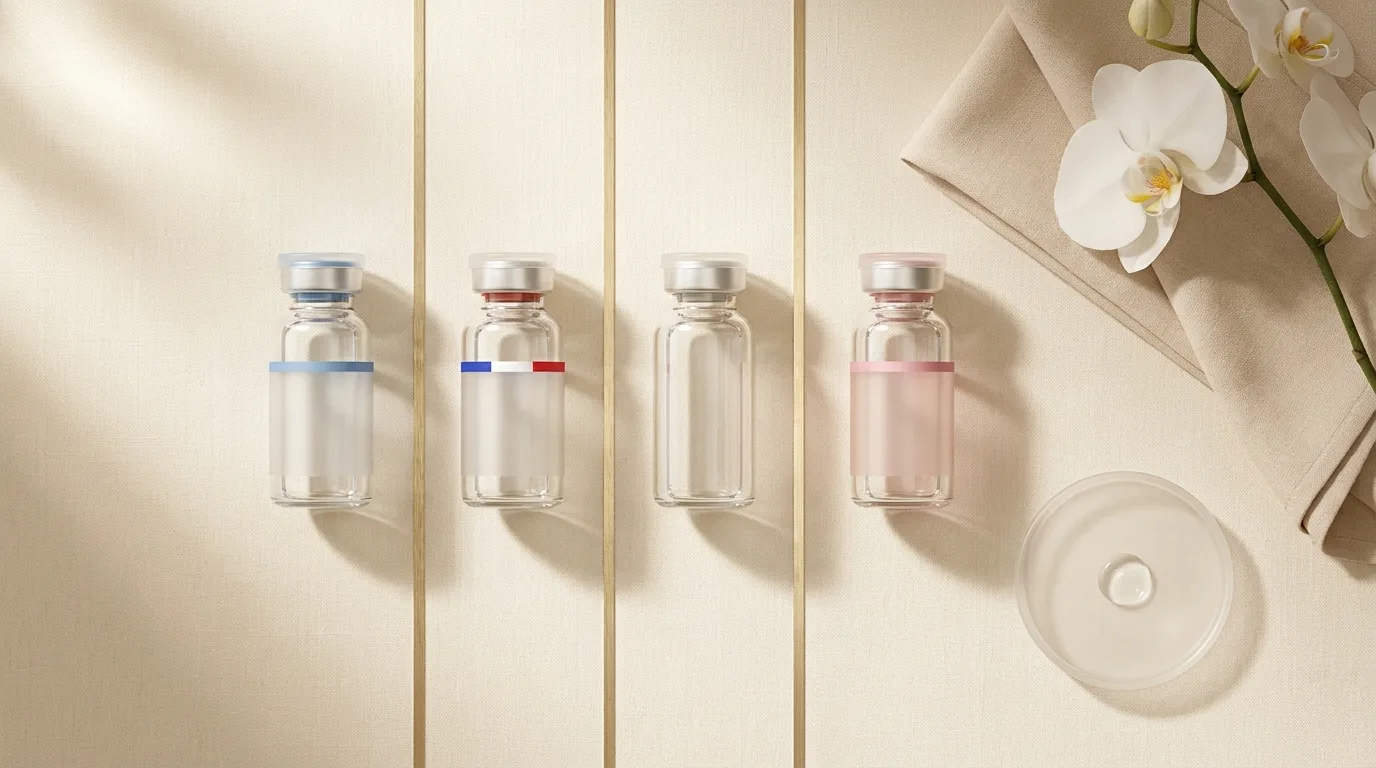
All four products carry approvals from the U.S. FDA, the European Medicines Agency, and the Thai FDA for aesthetic indications. The German formulation is the only one of the four that is, by manufacturing design, free of complexing proteins.
Signs You May Have Genuine Botox Resistance
Before assuming your immune system is the culprit, work through this checklist with your dermatologist. Genuine immunological resistance usually shows several of these features simultaneously:
- Your first one or two treatments worked beautifully, but each subsequent session has produced less and less effect.
- Even at your usual (or increased) dose, the muscle barely relaxes.
- Duration has dropped from 3–4 months down to 4–6 weeks despite no major lifestyle change.
- The same clinic, the same injector, the same brand, the same technique — and the result keeps getting weaker.
- A “frontalis test” (a small unilateral test dose to the forehead) produces no asymmetry after two weeks.
- You have a history of very frequent top-ups, high cumulative doses, or treatment for therapeutic conditions such as migraine or hyperhidrosis at large doses.
If only one or two of these apply, the more likely explanations are technique, dilution, storage, product authenticity, or your own muscle activity — not antibodies.
What to Do If You Suspect You Are Resistant
- Book a proper consultation with a board-certified dermatologist, not just a refill appointment. Bring photos of previous results and dates of treatment.
- Verify the product — confirm the brand, batch number, country of origin, and that the vial is reconstituted in front of you. Counterfeit and grey-market botulinum toxin is a well-known cause of treatment failure in Asia.
- Ask for a test dose — a few units of Xeomin on one side of the forehead can give a clinical answer within 10–14 days, without committing to a full treatment.
- Plan a treatment holiday if antibodies are likely. Some specialists recommend waiting 9–12 months without any botulinum toxin to let antibody titers fall before restarting with a pure product.
- Lengthen your interval going forward — most cosmetic patients should receive Botox no more often than every 12–16 weeks at the lowest effective dose.

How to Lower Your Future Risk of Botox Resistance
Even if you have never experienced resistance, the principles below — drawn from international consensus statements on botulinum toxin use — will keep you in the safest possible lane:
- Use the lowest effective dose. More units does not equal a better result; it just means more protein exposure.
- Respect the 12-week minimum interval. Avoid “top-up culture” where small extra units are added every few weeks.
- Choose a board-certified dermatologist who buys directly from authorized distributors of Allergan, Ipsen, Merz, or Daewoong.
- Consider a low-immunogenicity product from the start — particularly if you expect to be on long-term treatment, are young, or already have an autoimmune background.
- Avoid bargain “Botox” promotions, especially when the brand is not clearly stated. Authentic Western botulinum toxin has a roughly fixed wholesale floor; offers significantly below it should raise concerns about authenticity.
Frequently Asked Questions
Is Xeomin actually made in Germany?
Yes. Xeomin is developed and manufactured by Merz Pharmaceuticals at facilities in Germany. It is approved by the U.S. FDA (2010), the European Medicines Agency, and the Thai FDA. Patients who say they want “German Botox” are almost always referring to Xeomin.
If I switch to Xeomin once, do I have to use it forever?
No. Many patients alternate between brands or move back to Botox® once their response normalizes. The decision should be based on clinical outcomes, not loyalty to a brand.
Can I test for neutralizing antibodies in Thailand?
Laboratory assays (mouse protection or cell-based) exist but are research tools and not widely available clinically in Thailand. In practice, dermatologists rely on a structured clinical test injection with Xeomin to confirm or rule out resistance.
I have only had Botox 3–4 times and it is wearing off fast — am I resistant?
Unlikely. Short duration in someone with limited exposure is almost always under-dosing, very active muscles (gym, frequent expressions), high metabolism, or a less-than-ideal injection technique. A consultation will usually identify the real cause within minutes.
Is German Botox safe?
Xeomin has more than 15 years of post-marketing safety data and is approved in over 70 countries. In aesthetic doses, its safety profile is comparable to Botox® and Dysport® when administered by a qualified, board-certified injector.
The Dr. Pang Skin Clinic Approach
At Dr. Pang Skin Clinic in Bangkok, we treat every “Botox not working anymore” case as a diagnostic puzzle — not a chance to upsell. Dr. Pang Gateorn Pongarnar is a board-certified dermatologist with over 13 years of clinical experience and serves as a certified injection trainer for Allergan, Galderma, and Merz, which means she works directly with all the major Western botulinum toxin manufacturers. Every vial we use is sourced from authorized Thai distributors, stored under temperature control, and reconstituted in front of you.
If genuine resistance is identified, we typically recommend a structured switch to Xeomin from Germany, paired with a longer treatment interval and a slightly lower starting dose to “reset” your relationship with botulinum toxin. Most patients see a satisfying response return within one to two cycles.
If you are wondering whether you have developed Botox immunity — or simply want a second opinion from a board-certified dermatologist — learn more about our Filler & Botox program or book a consultation. The right diagnosis is the difference between years of frustration and a result that looks like it should.
References & Further Reading
- Dressler D, Bigalke H. Antibody-induced failure of botulinum toxin therapy: re-start of treatment with incobotulinumtoxinA. Journal of Neural Transmission. link.springer.com/journal/702
- Frevert J. Content of botulinum neurotoxin in Botox®, Dysport® and Xeomin®. Drugs in R&D. link.springer.com/journal/40268
- Merz Pharma — Xeomin product information and XTRACT manufacturing process. merz-aesthetics.com
- U.S. Food & Drug Administration — Botulinum Toxin Prescribing Information for Botox, Dysport, Xeomin, Jeuveau. fda.gov/drugs
- Naumann M, Boo LM, Ackerman AH, Gallagher CJ. Immunogenicity of botulinum toxins. Journal of Neural Transmission, 2013.
- Dr. Pang Skin Clinic — Filler & Botox Service Overview.
Medical disclaimer: This article is intended for general education and is not a substitute for an in-person consultation with a board-certified dermatologist. Individual results vary. Botulinum toxin is a prescription medical product and should only be administered by a licensed physician in a regulated clinical setting.