Fade Dark Spots.
Restore Even Tone.
With Expert Dermatology Care by Dr. Pang.
Melasma, freckles, dark spots, PIH — every type of pigmentation has a different cause, depth, and treatment pathway. Dr. Gateorn Pongarnar designs personalized, evidence-based protocols that target the root — not just the surface.
Board-Certified
Dermatologist
13+ Years
Clinical Experience
EndoliftX Clinic of the Year
Asia-Pacific 2025
Board-Certified
Dermatologist & Surgeon
FDA-Approved
Treatment Protocols
5.0 Google Rating
Verified Patient Reviews
What Is Skin Pigmentation — and Why Does It Happen?
Skin pigmentation refers to the natural coloring of your skin, determined by melanin — a pigment produced by specialized cells called melanocytes. When melanin is produced unevenly or in excess, it creates visible dark patches, spots, or an uneven skin tone.
Pigmentation disorders are among the most common skin concerns in Asian skin — driven by sun exposure, hormonal changes, inflammation, and genetics. The good news: with an accurate diagnosis and the right treatment protocol, most forms of pigmentation can be significantly reduced or fully cleared.
"Not all dark spots are the same. Accurate diagnosis is the foundation of effective treatment — a key reason why seeing a board-certified dermatologist matters."
— Dr. Gateorn Pongarnar, M.D., Board-Certified Dermatologist
UV & Sun Exposure
The #1 trigger. UV stimulates melanocytes to overproduce melanin — causing melasma, freckles, and age spots to appear or worsen.
Hormones & Genetics
Estrogen, progesterone, and genetic predisposition drive melasma — particularly in women using oral contraceptives or during pregnancy.
Inflammation & Skin Injury
Acne, eczema, wounds, and even over-aggressive treatments cause post-inflammatory hyperpigmentation (PIH) — the dark marks left behind after healing.
Aging & Cumulative Sun Damage
Decades of UV exposure cause solar lentigines (age spots) — flat, well-defined spots on sun-exposed areas. Unlike freckles, they don't fade with shade.
What Type of Pigmentation Do You Have?
Each condition has a different depth, cause, and treatment pathway. Our approach begins with identifying exactly what you're dealing with — because the right treatment depends entirely on an accurate diagnosis.
Melasma
Symmetrical brown or grey-brown patches on cheeks, forehead, upper lip, and nose bridge. Driven by UV and hormones — particularly common in women with Asian skin.
Our Approach:
Melasma Peel · Picosecond Laser · Oral Tranexamic Acid · SPF Protocol
Post-Inflammatory Hyperpigmentation (PIH)
Dark spots that linger after a pimple, wound, or eczema flare. The healing skin over-produces melanin in response to inflammation — leaving flat, darkened marks.
Our Approach:
Chemical Peel · Topical Niacinamide & Azelaic Acid · Picosecond Laser · Skin Booster
Freckles
Small, flat reddish-brown spots caused by localized concentrations of melanin. They are genetic, darken in summer, and fade in winter. Excellent response to 1–3 laser sessions.
Our Approach:
Picosecond Laser (755nm/1064nm) · Q-Switched Laser · IPL · SPF50+ Maintenance
Age Spots / Sun Spots
Solar lentigines are flat, well-defined brown spots from cumulative UV damage. They appear on the face, hands, and shoulders — and unlike freckles, they do not fade without treatment.
Our Approach:
Q-Switched Laser (532nm) · IPL · Cryotherapy · Topical Vitamin C + Hydroquinone
Hormonal & Drug-Induced
Certain medications (oral contraceptives, anti-epileptics) and hormonal shifts during pregnancy or menopause can trigger or worsen pigmentation. These require medical consultation before treatment.
Our Approach:
Dermatological Evaluation · Azelaic Acid (pregnancy-safe) · Oral Tranexamic Acid · Laser when trigger managed
Not Sure What You Have?
Pigmentation diagnosis requires a trained eye. What looks like melasma may be PIH — and treating the wrong condition wastes time and money. A skin assessment with Dr. Pang ensures you get the right diagnosis first.
Our Pigmentation Treatments
At Dr. Pang Skin Clinic, there is no one-size-fits-all approach. After a thorough skin analysis, Dr. Pang designs a tailored protocol combining the most effective treatments for your specific condition, skin type, and lifestyle.
Picosecond Laser — Precision Pigment Removal
Ultra-fast picosecond pulses shatter melanin granules into microscopic fragments with minimal heat and downtime. The gold standard for treating stubborn melasma, freckles, and deep pigmentation — safe and highly effective for Asian skin.
2–10
Sessions
3–5 days
Downtime
All Types
Asian Skin
Melasma Peel
Chemical TreatmentSpecialized chemical exfoliation designed for Asian skin — removes pigmented cells while inhibiting melanin production. 4–6 sessions, 2–4 weeks apart. Mild flaking 3–7 days.
Q-Switched Nd:YAG Laser
LaserTrusted precision for pigmentation — nanosecond pulses selectively target melanin without damaging surrounding tissue. Highly effective for solar lentigines, freckles, and superficial melasma.
Glow & Bright Facial
No DowntimeA dermatologist-designed brightening facial combining active brightening ingredients and gentle exfoliation. Perfect standalone or between laser sessions for instant luminosity.
More Tools for Every Skin Type
Depending on your diagnosis, Dr. Pang selects from a full range of evidence-based treatments — each targeting a specific mechanism of pigmentation. No single treatment works for every patient.
Vitamin Infusion
Needle-free deep brightening · Vitamin C · Glutathione · No downtime
Skin Booster / Meso Brightening
Micro-injections of Tranexamic Acid · Glutathione · HA · Targeted dermal delivery
Oral Tranexamic Acid
Systemic melasma treatment · 250mg twice daily · Excellent safety profile
Combination Therapy
Multi-modal protocols for maximum lasting results · Best outcomes for complex cases
Your Pigmentation Journey at Dr. Pang Skin Clinic
Effective pigmentation treatment is a process — not a one-time fix. Here's what your journey looks like from first consultation to long-term results.
Consultation & Diagnosis
Comprehensive skin assessment — pigmentation type, depth, triggers, and medical history. Digital skin analysis included.
30–45 minutes
Personalized Treatment Plan
Dr. Pang designs your custom protocol — which treatments, in which order, at what frequency. Realistic outcomes discussed.
Tailored to your skin type & lifestyle
Treatment Sessions
Each session performed by Dr. Pang personally. Protocols adjusted at each visit based on skin response — not a rigid script.
Ongoing, adaptive care
Home Care Protocol
Prescription home care routine with topical agents, SPF50+ recommendations, and lifestyle guidance to maximize results between sessions.
Essential for lasting results
Follow-Up & Maintenance
Regular follow-up assessments track your progress. Maintenance treatments prevent recurrence and protect long-term results.
Beautiful skin is a long-term commitment
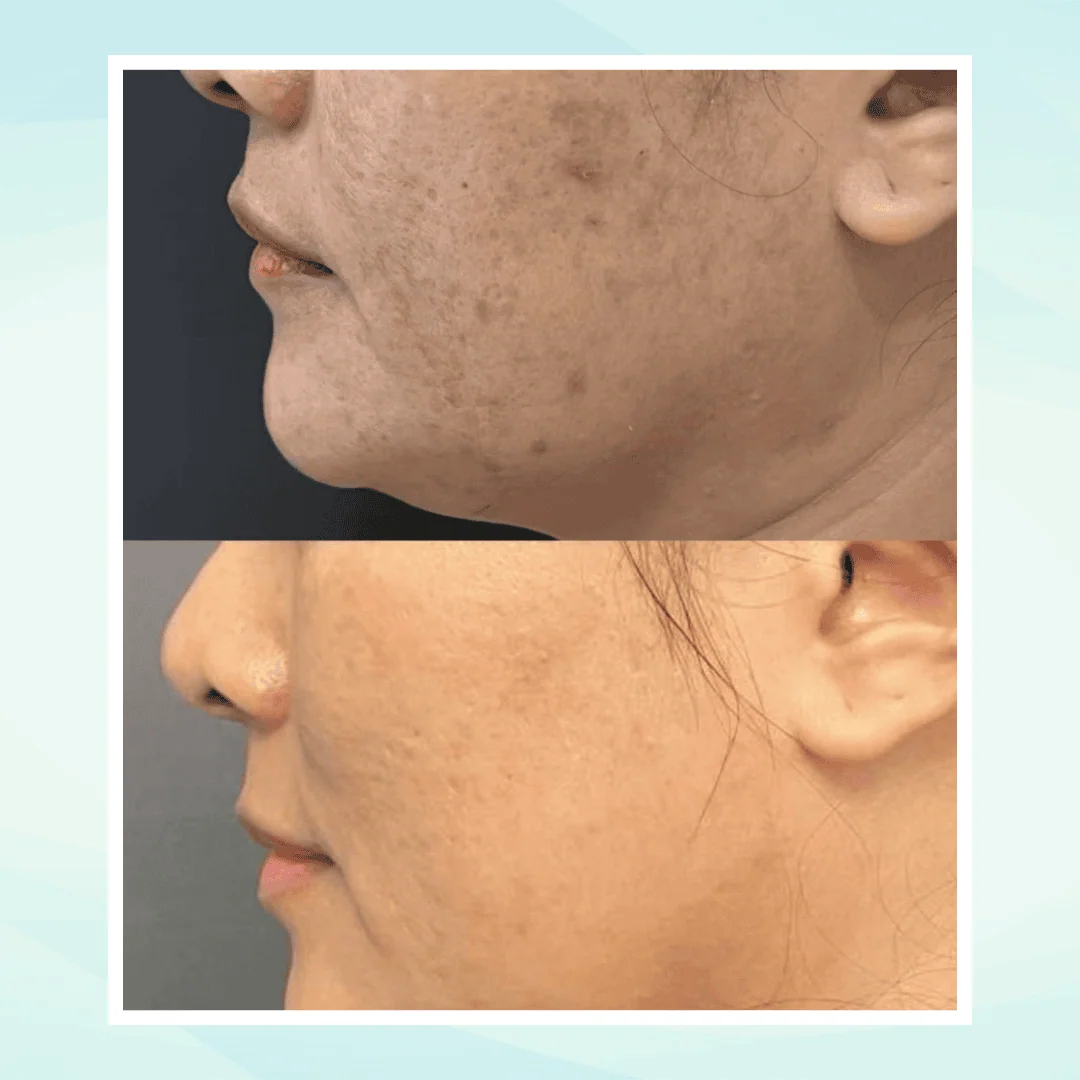
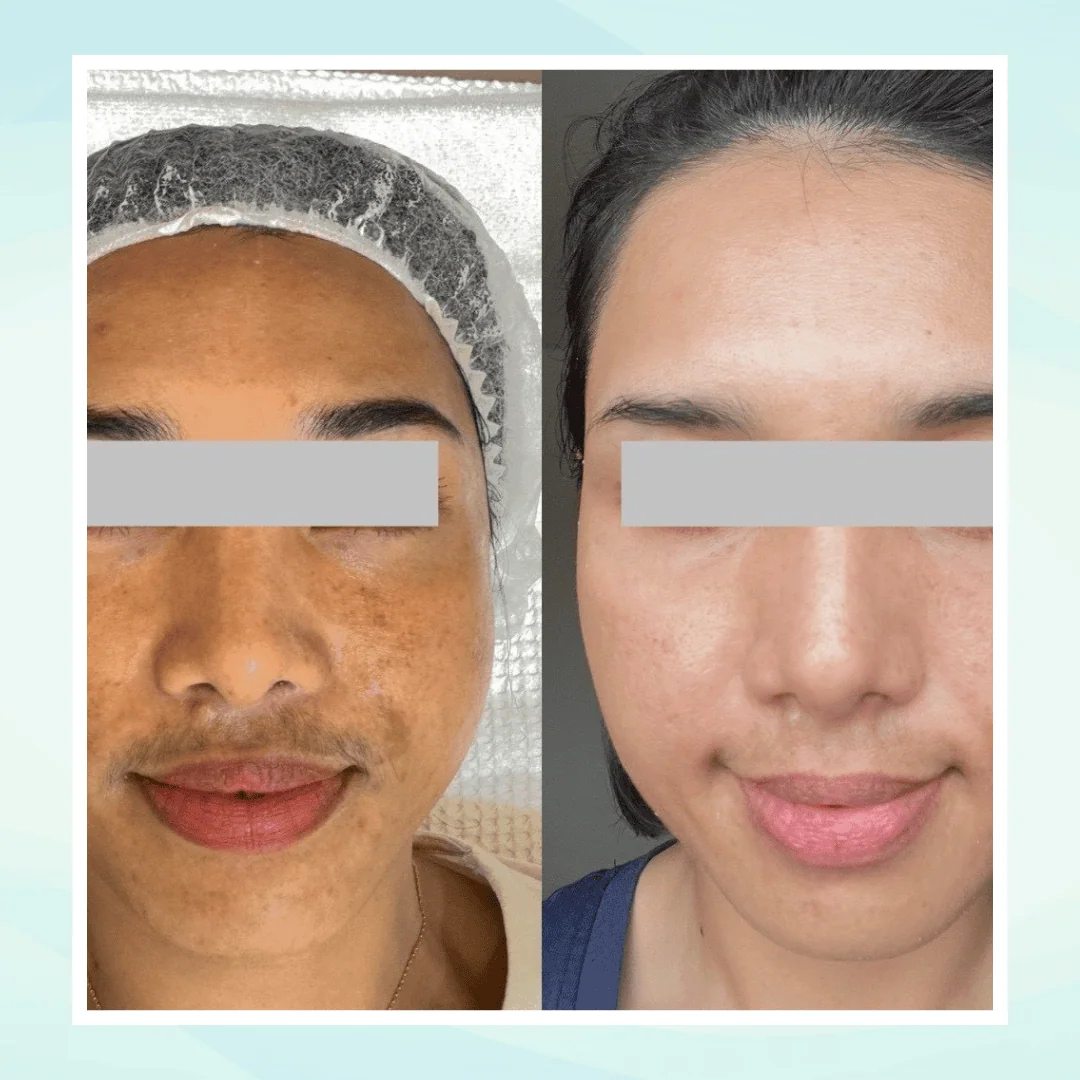
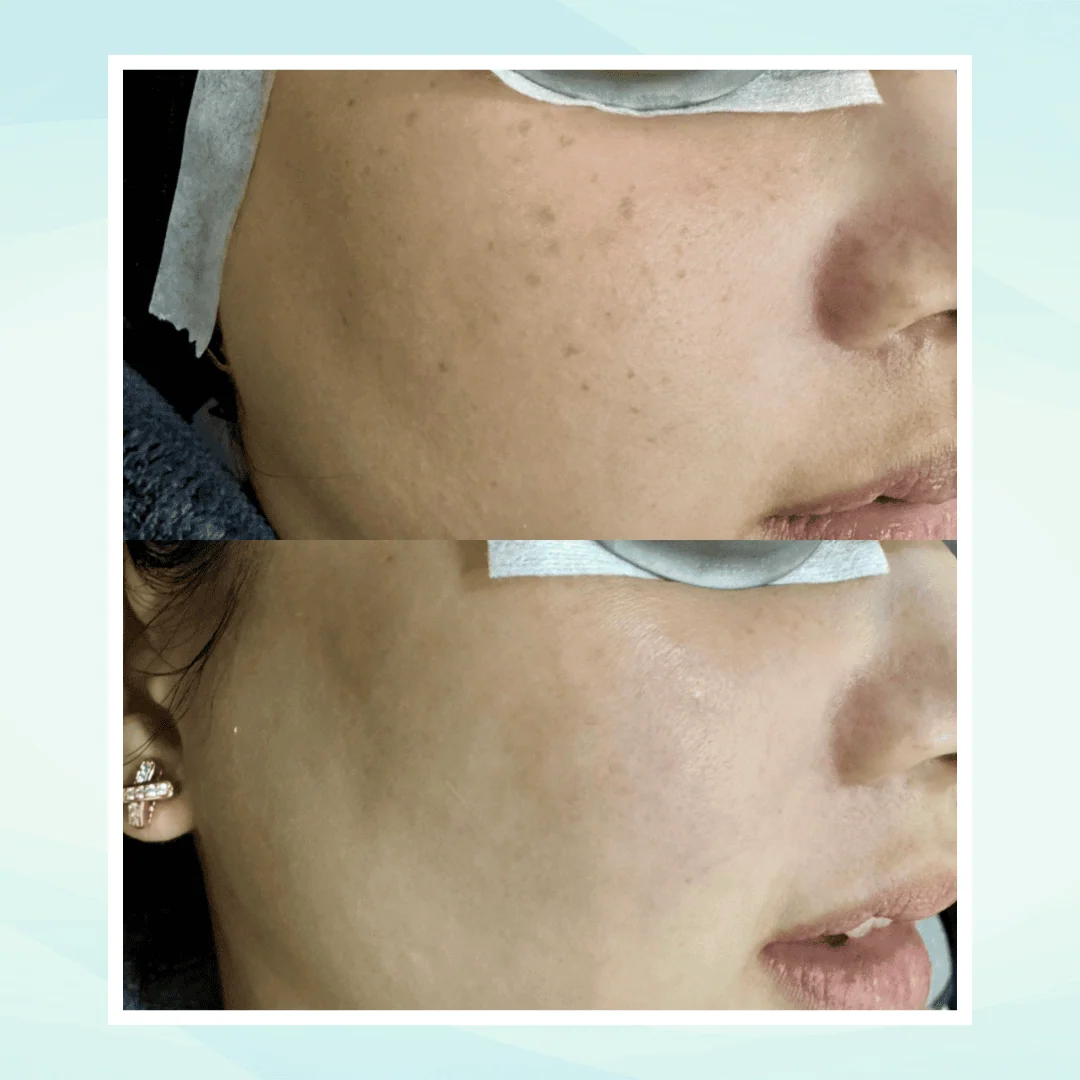
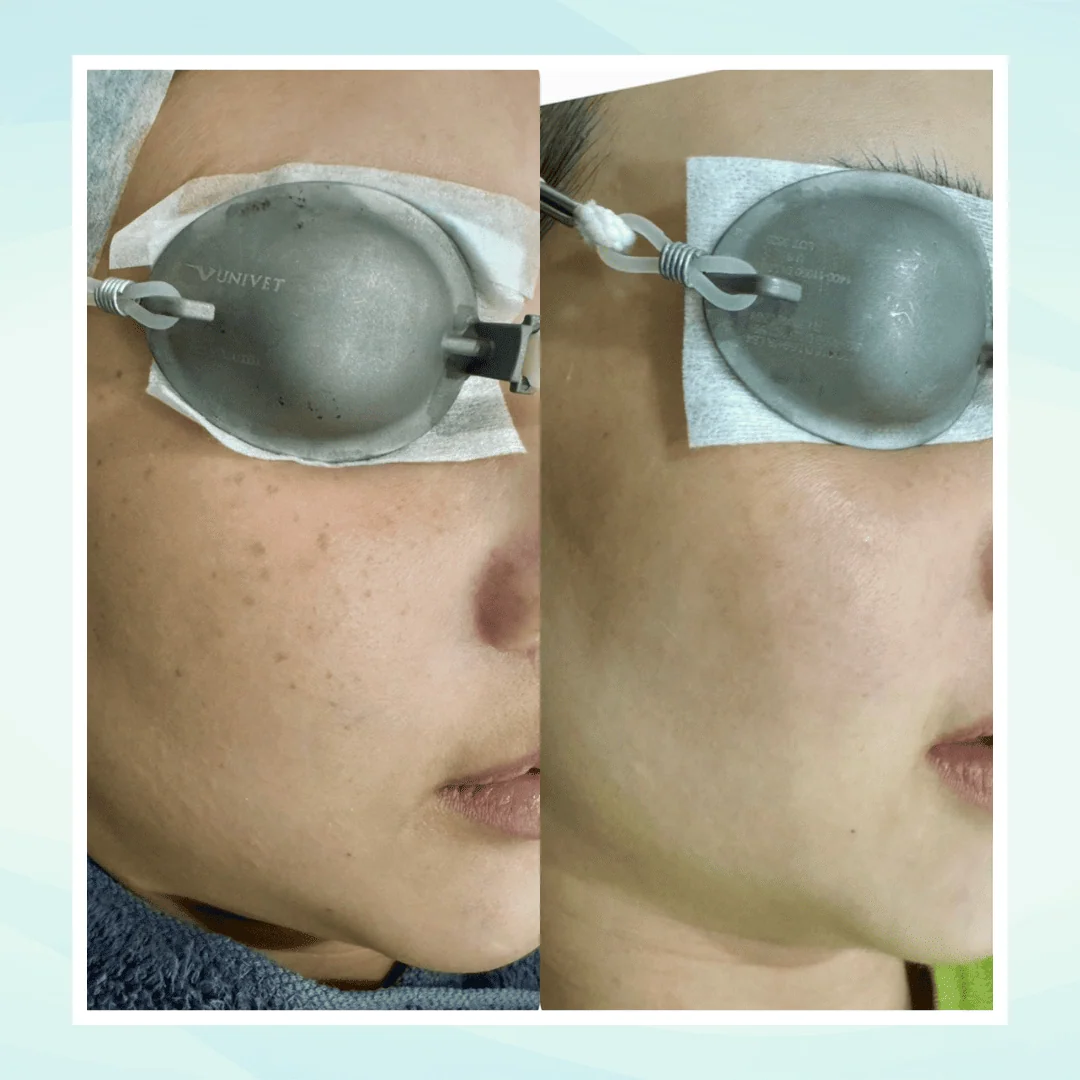
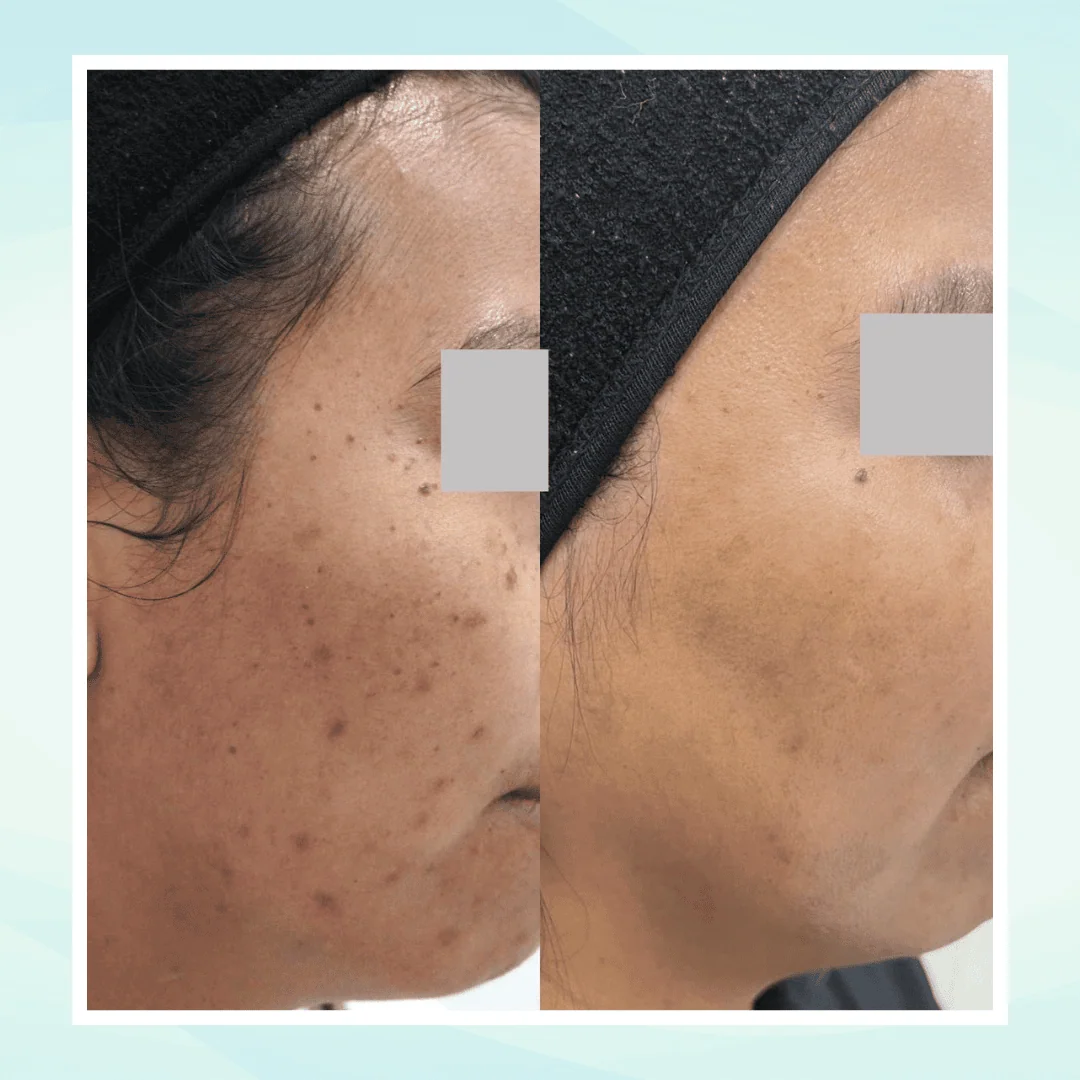
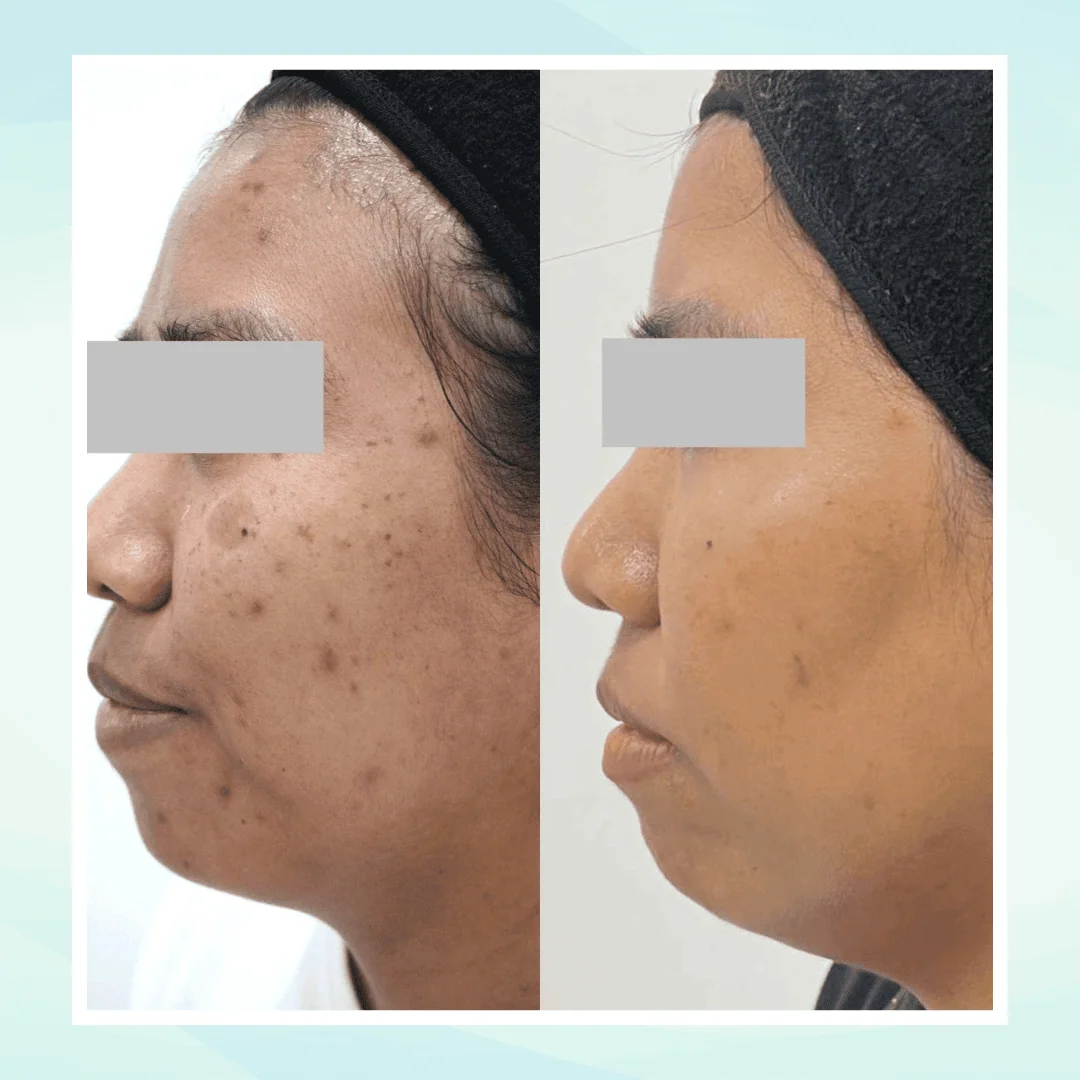
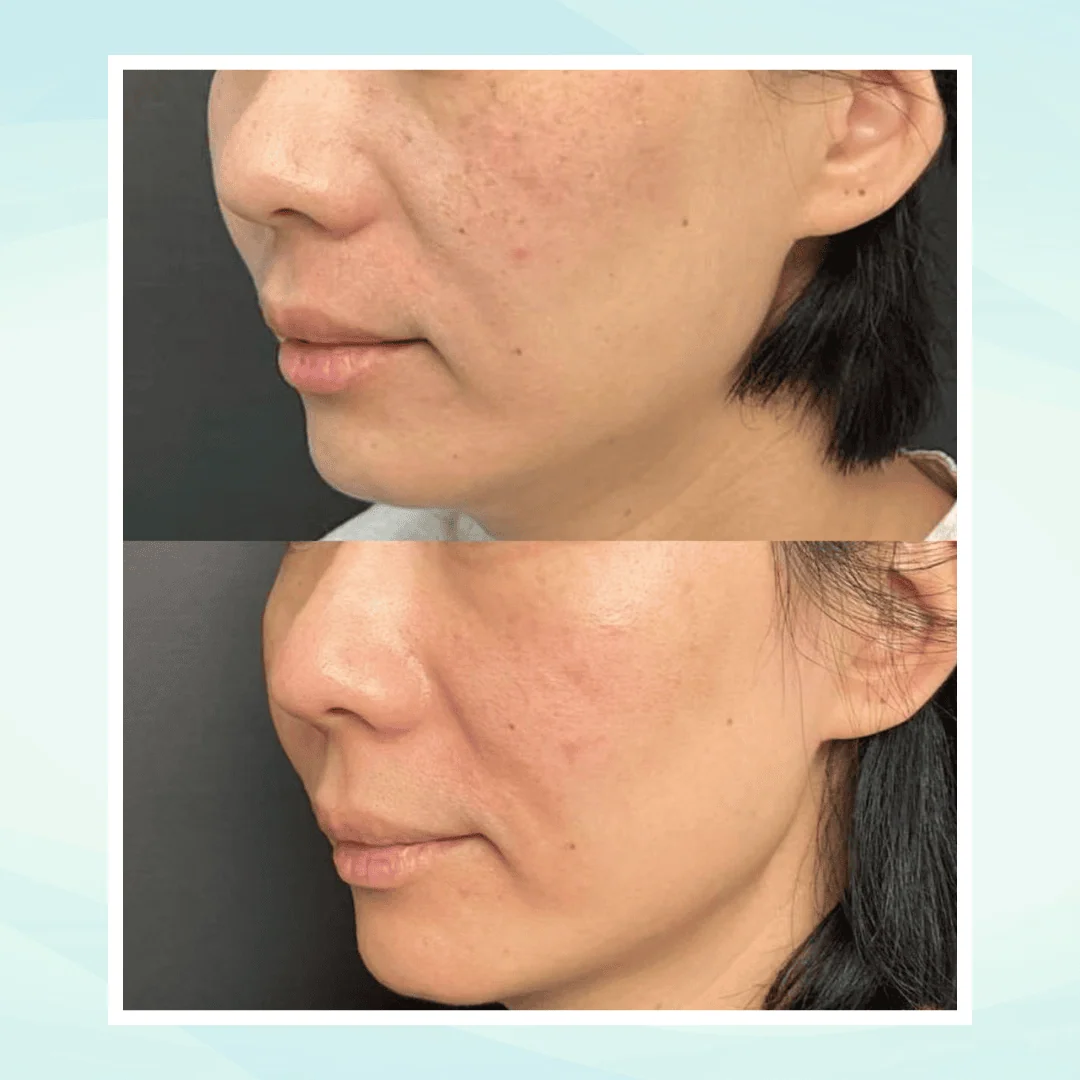
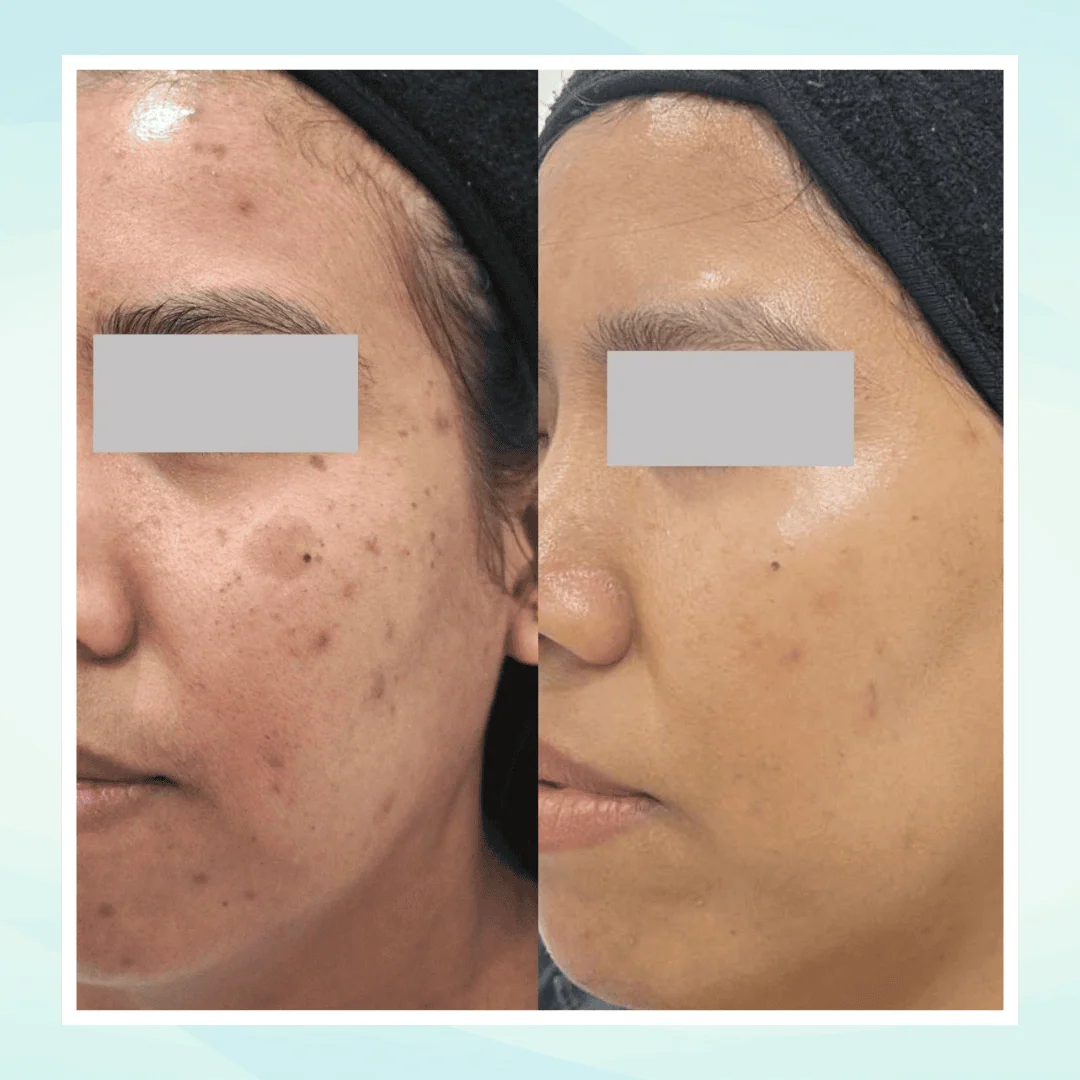
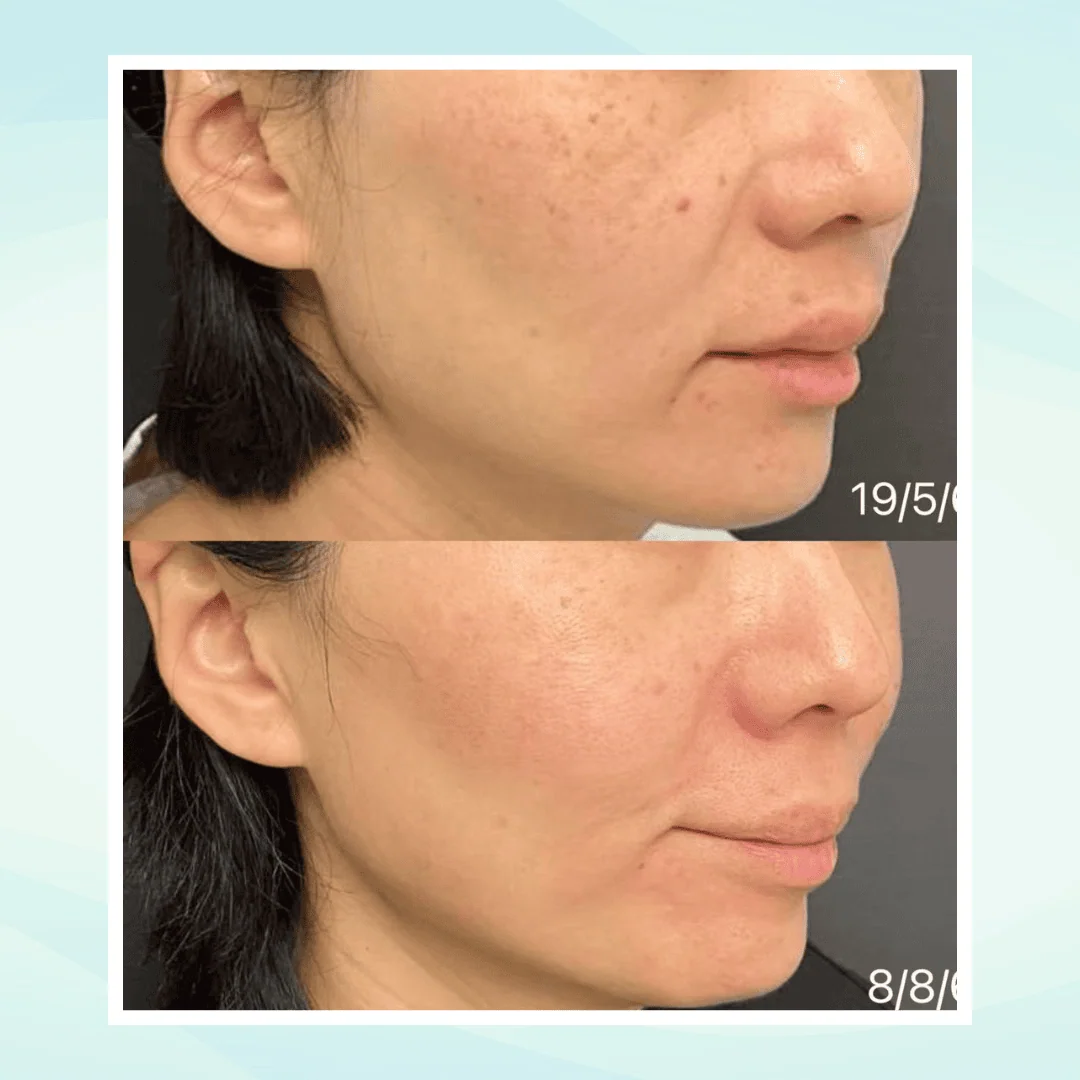
Real Results. Real Patients.
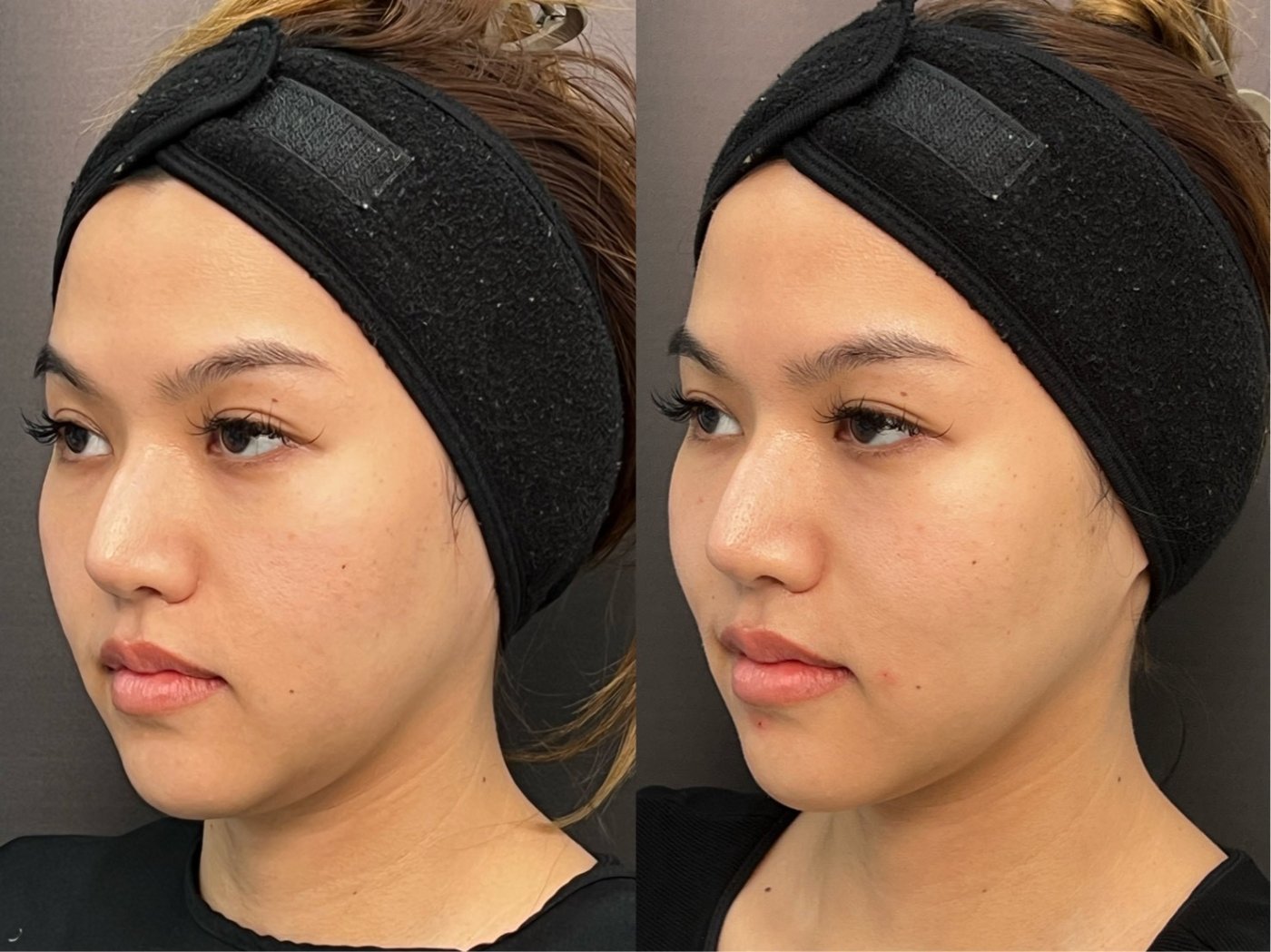
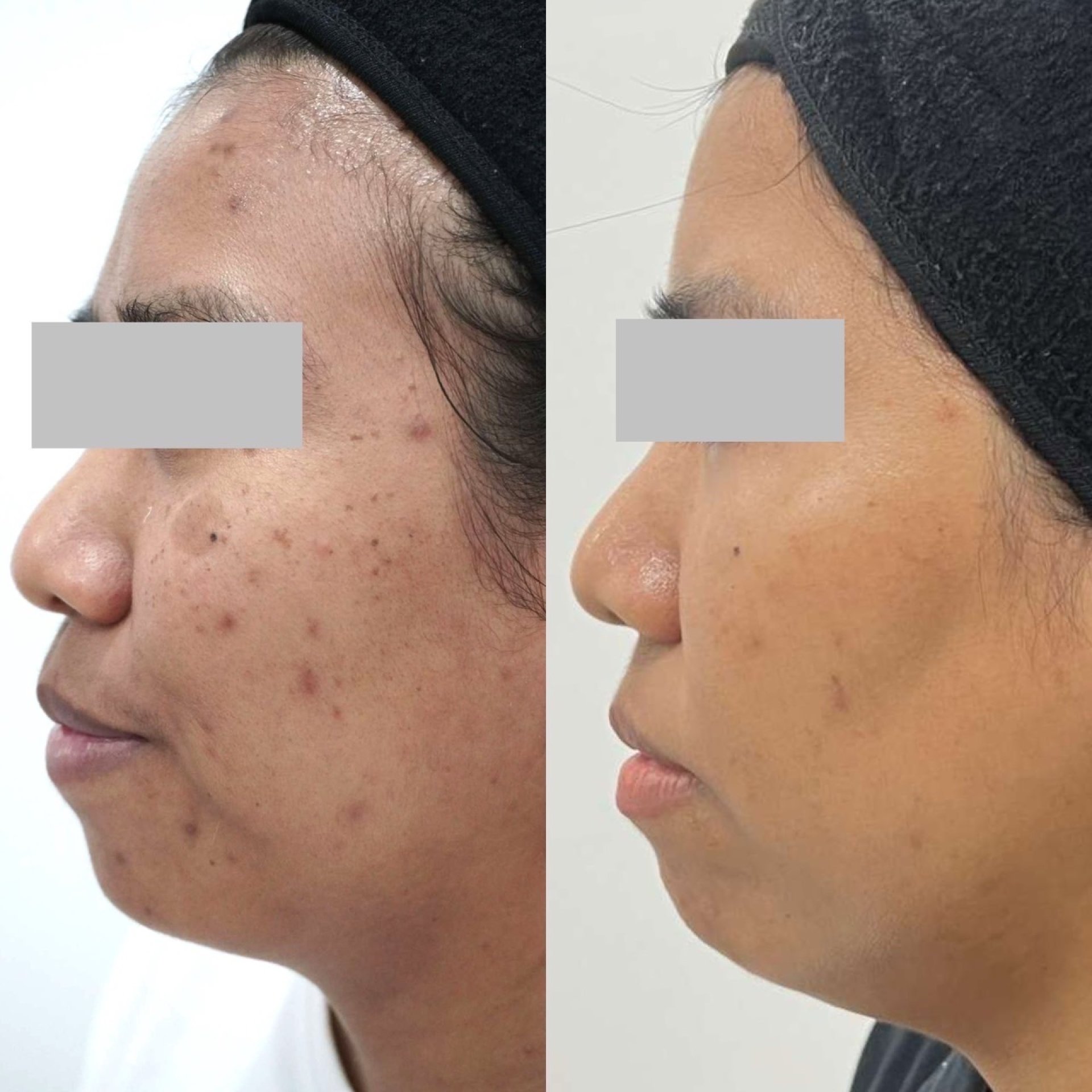
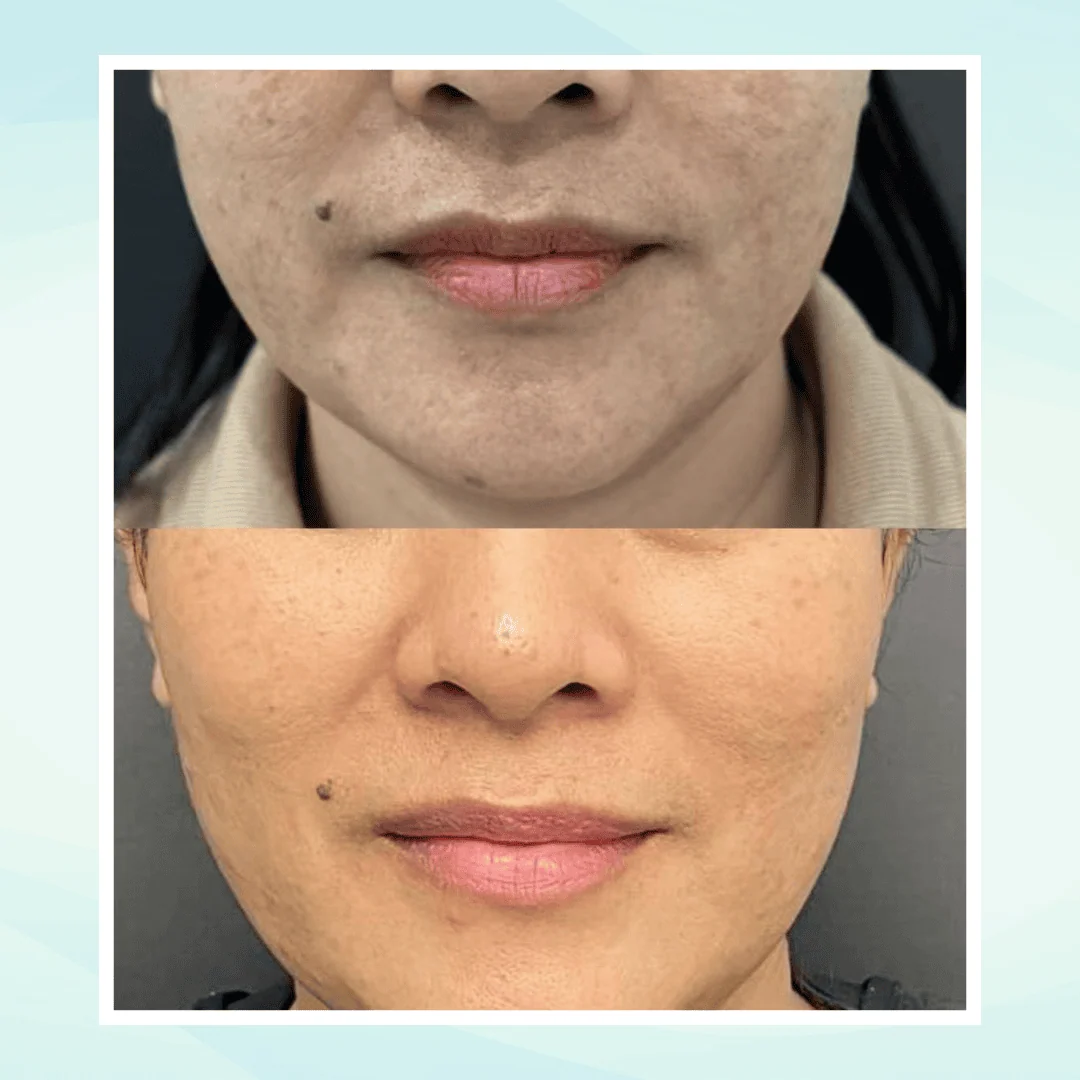
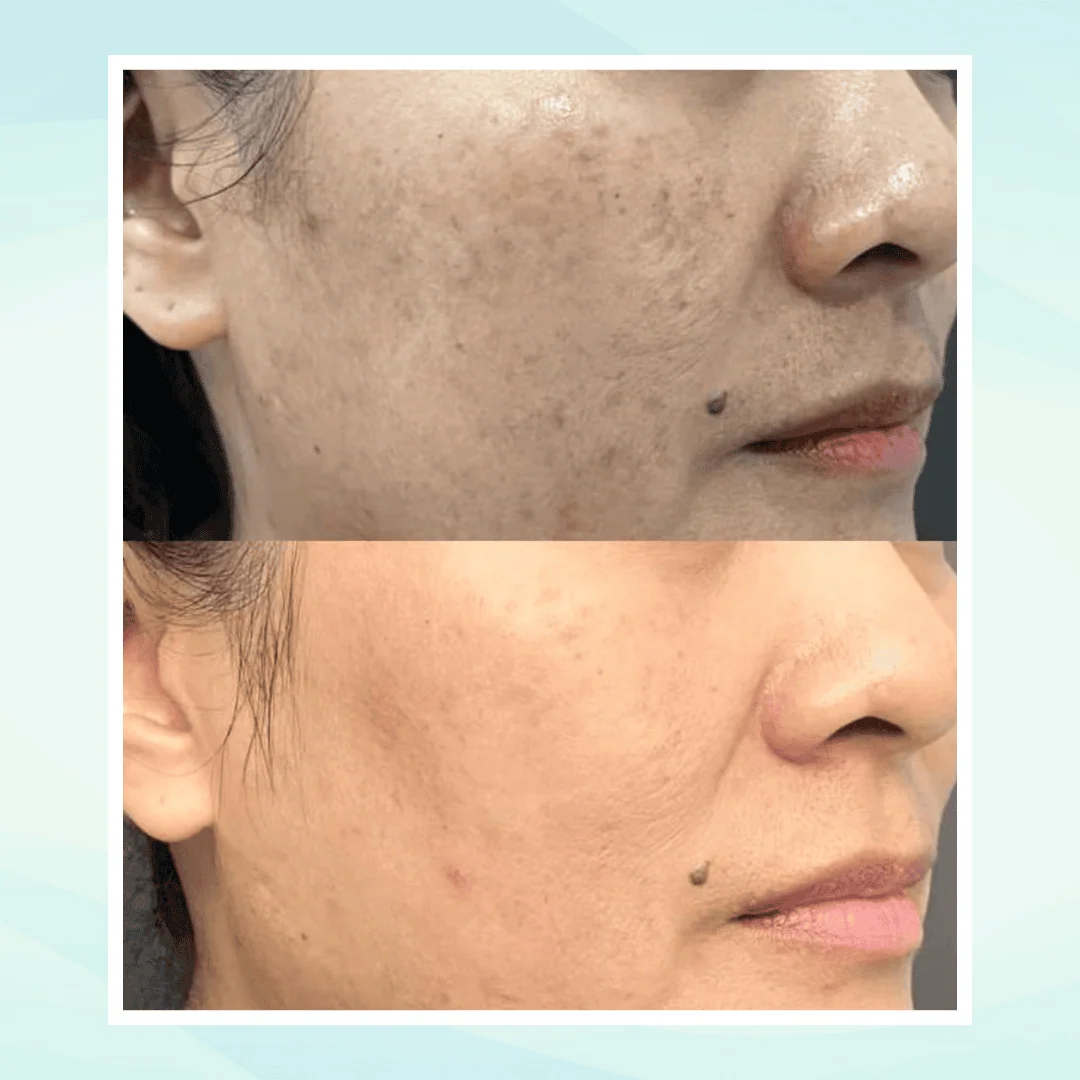
Every patient's journey is unique. The results below represent actual patients of Dr. Pang Skin Clinic, treated with personalized protocols. Individual results may vary.
Advanced Technology. Expert Hands. Better Outcomes.
Picosecond Laser
755nm / 1064nm
Ultrashort pulses shatter melanin into microscopic fragments — less thermal damage, faster clearance. Superior safety for Asian skin.
Q-Switched Nd:YAG
1064nm / 532nm
Nanosecond pulses with precise wavelength control. Gold-standard for solar lentigines, freckles, and superficial melasma.
CO₂ Laser (Ablative)
10,600nm
Precision ablative laser for raised pigmented lesions such as seborrheic keratosis and other benign pigmented growths. Layer-by-layer vaporisation — clean removal, minimal scarring.
RF Microneedling (Exion)
Radiofrequency + Microneedles
Collagen stimulation + skin tightening. Safe for all skin tones. Combines with mesotherapy cocktails for PIH and skin quality.
Digital Skin Analyzer
Subsurface Analysis
Reveals subsurface pigmentation invisible to the naked eye — pore size, UV damage, skin texture, and pigment depth for accurate diagnosis.
EndoliftX
Clinic of the Year 2025 — Asia-Pacific
Minimally invasive laser lifting for skin rejuvenation. Complements pigmentation protocols with skin tightening and overall quality improvement.
Meet Dr. Pang — Your Skin's Best Advocate
Dr. Gateorn Pongarnar, M.D. — known as Dr. Pang — is a board-certified dermatologist and dermatologic surgeon with over 13 years of experience managing complex skin conditions. She has built a reputation for combining rigorous medical expertise with a deeply personal, patient-first approach.
Dr. Pang believes that every pigmentation case is unique — shaped by genetics, lifestyle, hormones, and environment. Her protocols are not off-the-shelf. They are built around you.
13+
Years of Clinical Experience
5★
Google Reviews Average
2025
EndoliftX Clinic of the Year Asia-Pacific
FDA
Approved Treatment Protocols
What Our Patients Are Saying
"The visit was impressively professional, with a diagnosis and treatment plan delivered on the very first day — something I hadn't achieved in years back home. The procedure and stitch removal were both completely comfortable, handled with great care and attention from start to finish. The staff were also very kind and welcoming, making this a highly recommendable clinic overall."

"I stopped in for a treatment and vitamin drip, and the results were outstanding — my skin felt wonderfully comfortable and noticeably more radiant. The team was warm, friendly, and made me feel right at home. I will absolutely be coming back for more treatments."

"This Bangkok skincare clinic exceeded every expectation, delivering world-class care with genuine warmth from the moment I walked in. Three cysts and several skin tags were removed completely painlessly, with the doctor patiently explaining each step and the staff ensuring my comfort throughout. The facilities were immaculate and modern, and my results were absolutely incredible — I can't recommend this place highly enough."

"Dr. Pang removed over 150 skin tags and a dried cyst with remarkable skill — the procedure was nearly painless despite the large area treated. Her warm, humorous personality put me completely at ease, and her professionalism throughout was truly impressive. I strongly recommend this clinic for any dermatology or aesthetic needs, and it's clearly a favourite among Singaporeans too."

"From booking by phone through to the consultation and treatment, every step was handled with exceptional care and warmth by the whole team. Dr. Chris was thorough and thoughtful — mindful of my pregnancy, he advised the safest approach for my acne before recommending further treatments for later. There was no hard selling whatsoever, making this clinic a comfortable and trustworthy choice for any skin concern."

"I came for laser wart removal with Dr. Chris, who was incredibly kind and had an exceptionally gentle touch. The admin staff and every team member provided outstanding service throughout. The clinic was clean, comfortable, and welcoming — I was thoroughly impressed and will definitely be back."

"Dr. Pang skillfully removed an epidermoid cyst from my forehead, and after about a month the area has healed beautifully without any scarring. A dark spot is still fading but progressing well, and three skin tags removed on her recommendation healed just as smoothly. Her professionalism and precise technique made the whole experience reassuring and well worth it."

"I came to Dr. Pang Skin Clinic for a Pico Bright treatment and received excellent skincare advice from a kind and highly professional doctor. The results of my skin treatment were fantastic — truly the work of an expert. Dr. Pang is a certified dermatologist and laser specialist I would fully trust and recommend."

"Dr. Pang's clinic seamlessly fit me in for a last-minute appointment and delivered phenomenal service from start to finish, with English-speaking staff making communication effortless. The clinic was spotless, and Dr. Pang conducted a thorough examination complete with an impressive 3-D skin analysis. I'm extremely grateful for the care I received for my psoriasis and hyperpigmentation, and I highly recommend this clinic without hesitation."

"I found this spotlessly clean Bangkok clinic through AI research and had a large facial cyst expertly removed via CO2 laser by a warm, highly skilled doctor. She explained everything clearly throughout the procedure, stitched it beautifully, and after just three days it's healing wonderfully. The price was unbeatable compared to other Bangkok clinics — and a fraction of what it would cost in London — so I'll definitely be back."
Your Questions, Answered
Melasma is triggered primarily by UV exposure and hormonal fluctuations. It tends to recur because it involves a chronic change in how your melanocytes respond to these triggers — not a one-time event. This is why treatment success requires both active treatment and strict, ongoing sun protection. Dr. Pang designs maintenance programs specifically to keep melasma in check long-term.
It depends entirely on your condition, depth, and skin type. Freckles and age spots often respond in 1–3 laser sessions. Melasma typically requires 5–10 laser sessions combined with topical therapy and peels. During your consultation, Dr. Pang will give you a realistic estimate based on your specific assessment — never a generic number.
Yes — when performed by a qualified dermatologist with appropriate parameters. Asian skin (Fitzpatrick III–V) responds well to Q-switched and picosecond lasers at conservative settings. Dr. Pang routinely treats Thai and Asian patients and follows evidence-based protocols developed specifically for Asian skin phototypes. Pre-treatment with topical agents for 4–6 weeks further reduces risk.
We recommend a broad-spectrum SPF50+ sunscreen that includes iron oxide (tinted formula). Iron oxide is crucial because visible light can also trigger melanin production — regular clear sunscreens only protect against UVA/UVB. Apply every morning and reapply every 2 hours when outdoors. This is non-negotiable for anyone undergoing pigmentation treatment.
Some treatments are safe during pregnancy — azelaic acid, physical sunscreens, and niacinamide — while others must be avoided (hydroquinone, tretinoin, most laser procedures). Dr. Pang offers pregnancy-safe protocols and will guide you on exactly what is appropriate for your specific situation. Never start a treatment without informing your doctor of your pregnancy status.
Tranexamic acid is a medication traditionally used to control bleeding that, at low oral doses, significantly reduces melasma by interrupting the UV-triggered pathway that stimulates melanocytes. At 250 mg twice daily, it has an excellent safety profile and is widely used across Asia for melasma management. It is not suitable for patients with history of thromboembolism, clotting disorders, or active cardiovascular disease.
Results timelines vary by treatment: Topical treatments show initial brightening over 4–8 weeks; full effect at 3–6 months. Chemical peels show visible results 1–2 weeks after each session as treated skin sheds. Laser treatments: pigmentation darkens briefly (3–5 days) before shedding — improvement visible at 2–4 weeks post-session. Multiple sessions compound the effect.
Melasma has a high recurrence risk if UV and hormonal triggers continue. With a proper maintenance plan — SPF50+ daily, periodic topical therapy, and annual booster sessions — most patients maintain excellent long-term control. Freckles treated by laser can recur if sun protection is not maintained. Age spots, once removed, typically do not return to the same spots unless there is ongoing UV damage.
Ready to See Clearer Skin?
Start with a consultation — a thorough skin assessment with Dr. Pang to understand exactly what type of pigmentation you have and design the right plan for you. No pressure. No packages on your first visit.